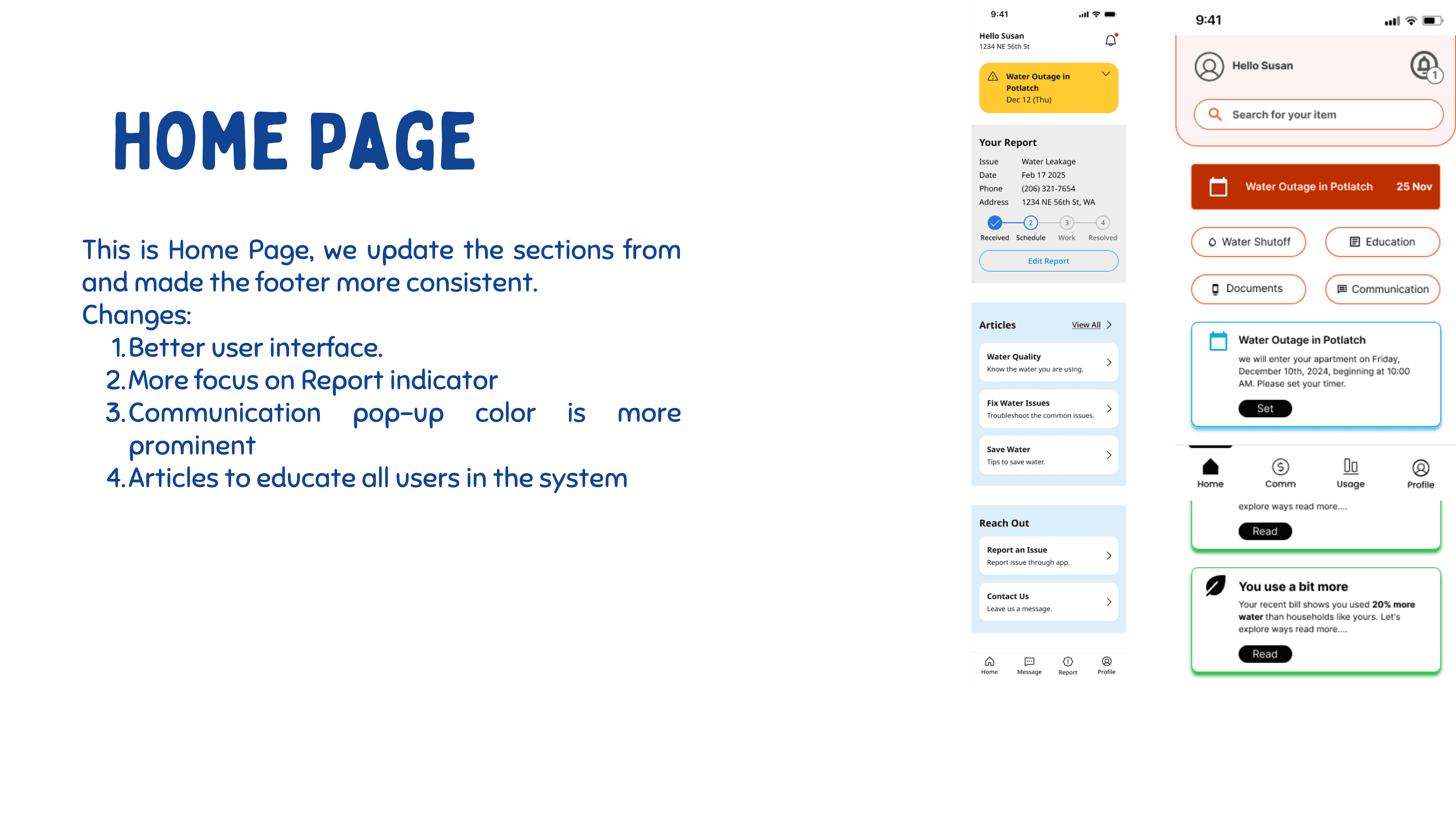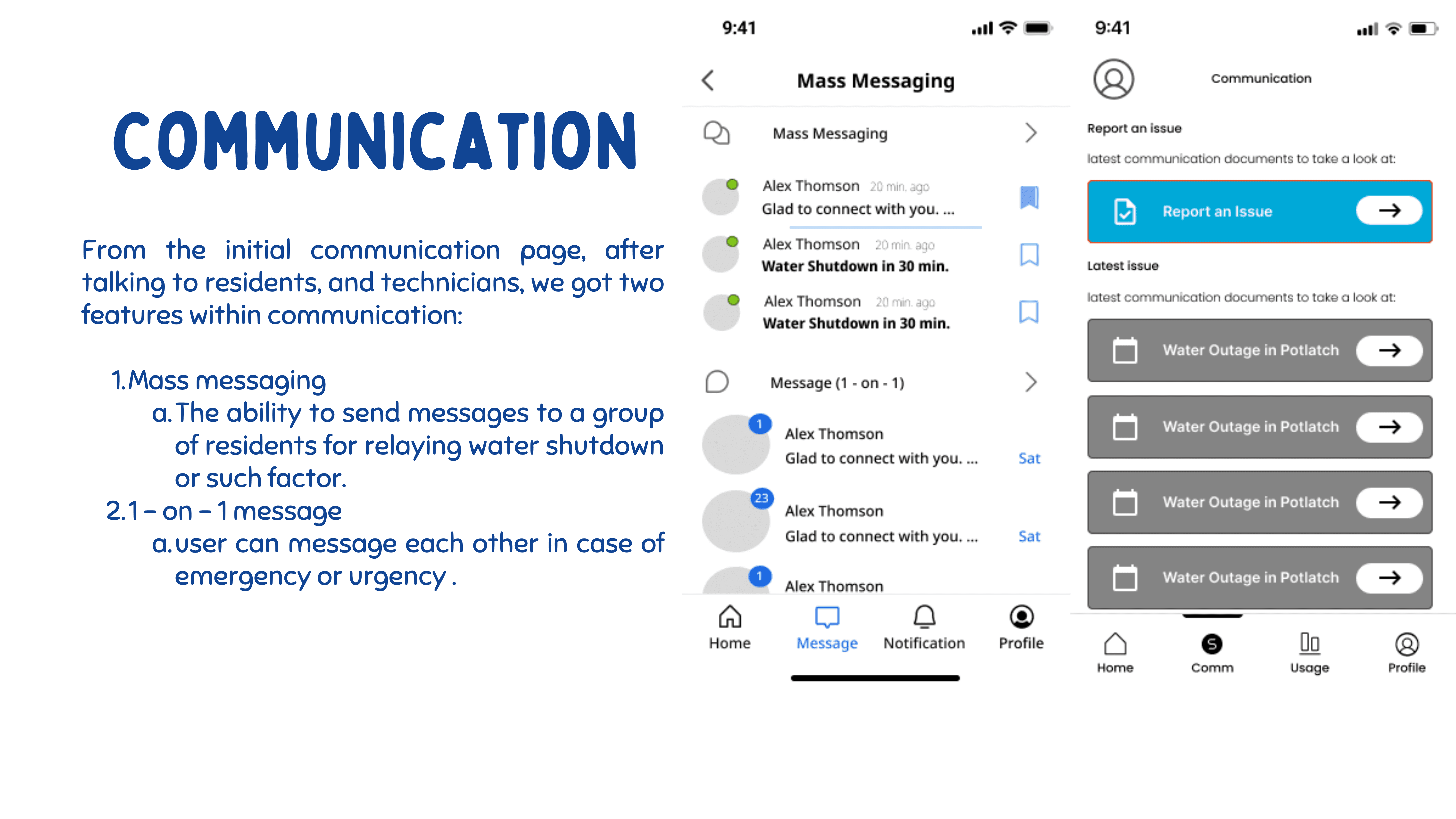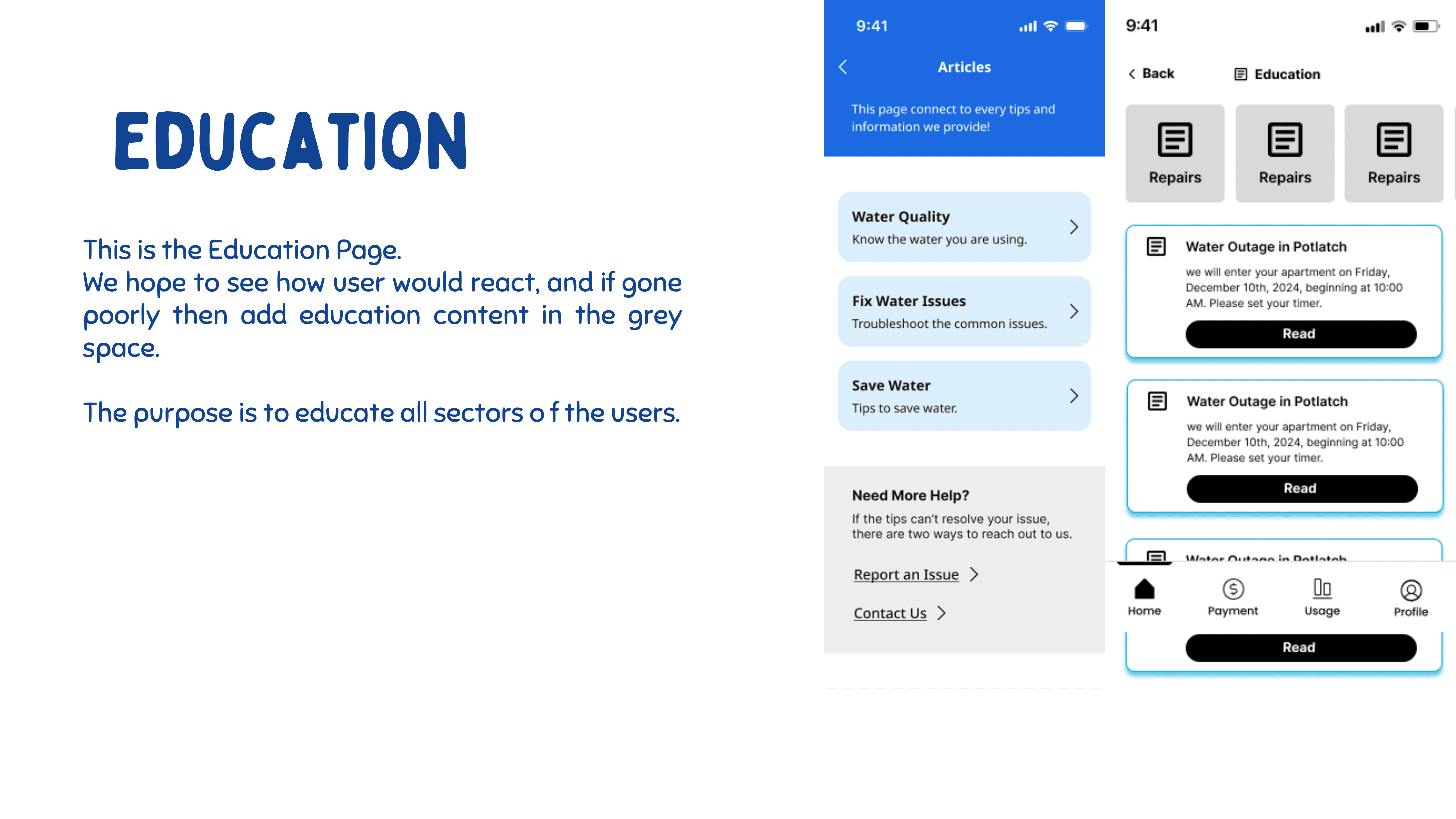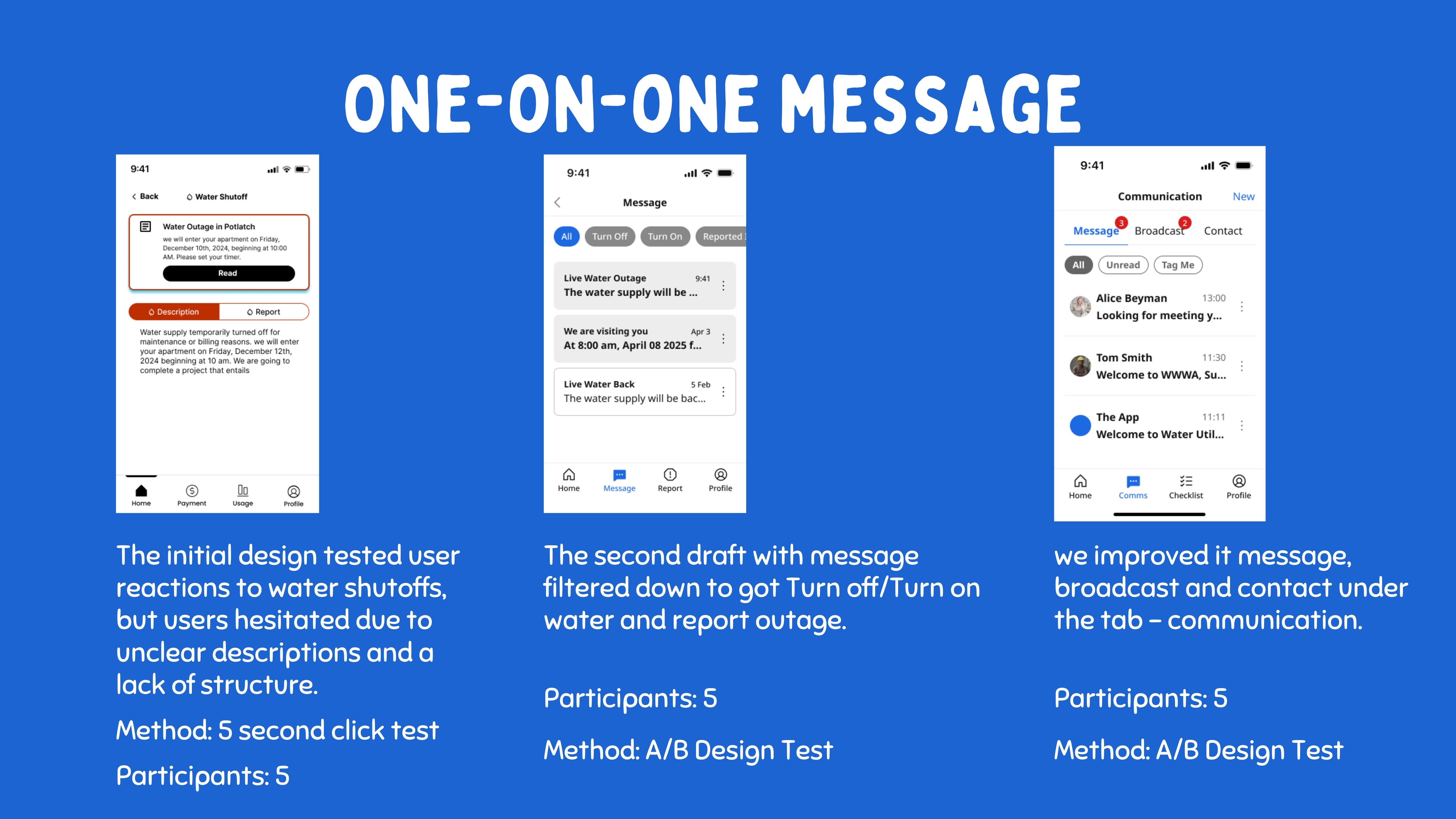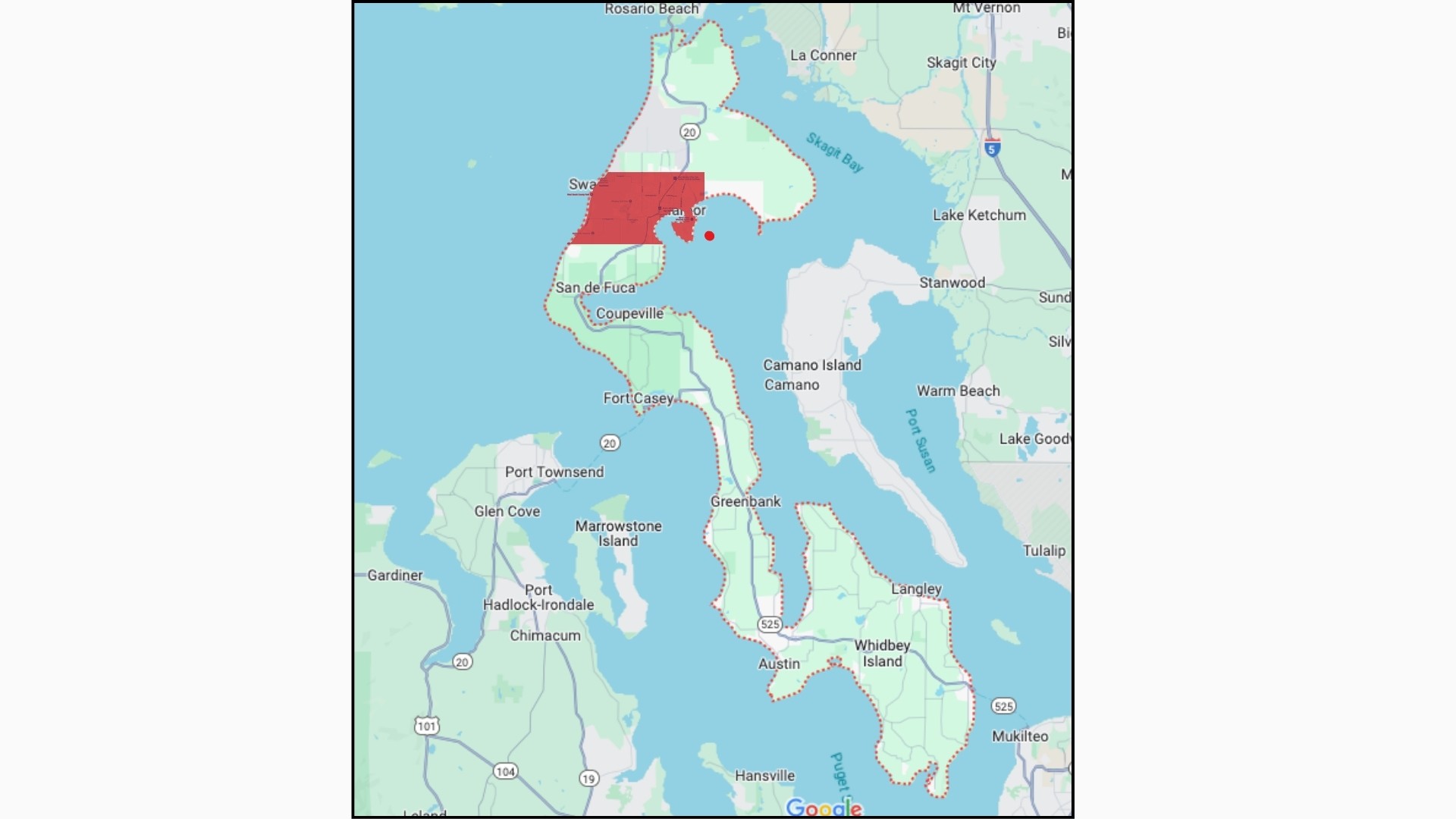
West Whidbey is a small island community that relies on a single water well system.
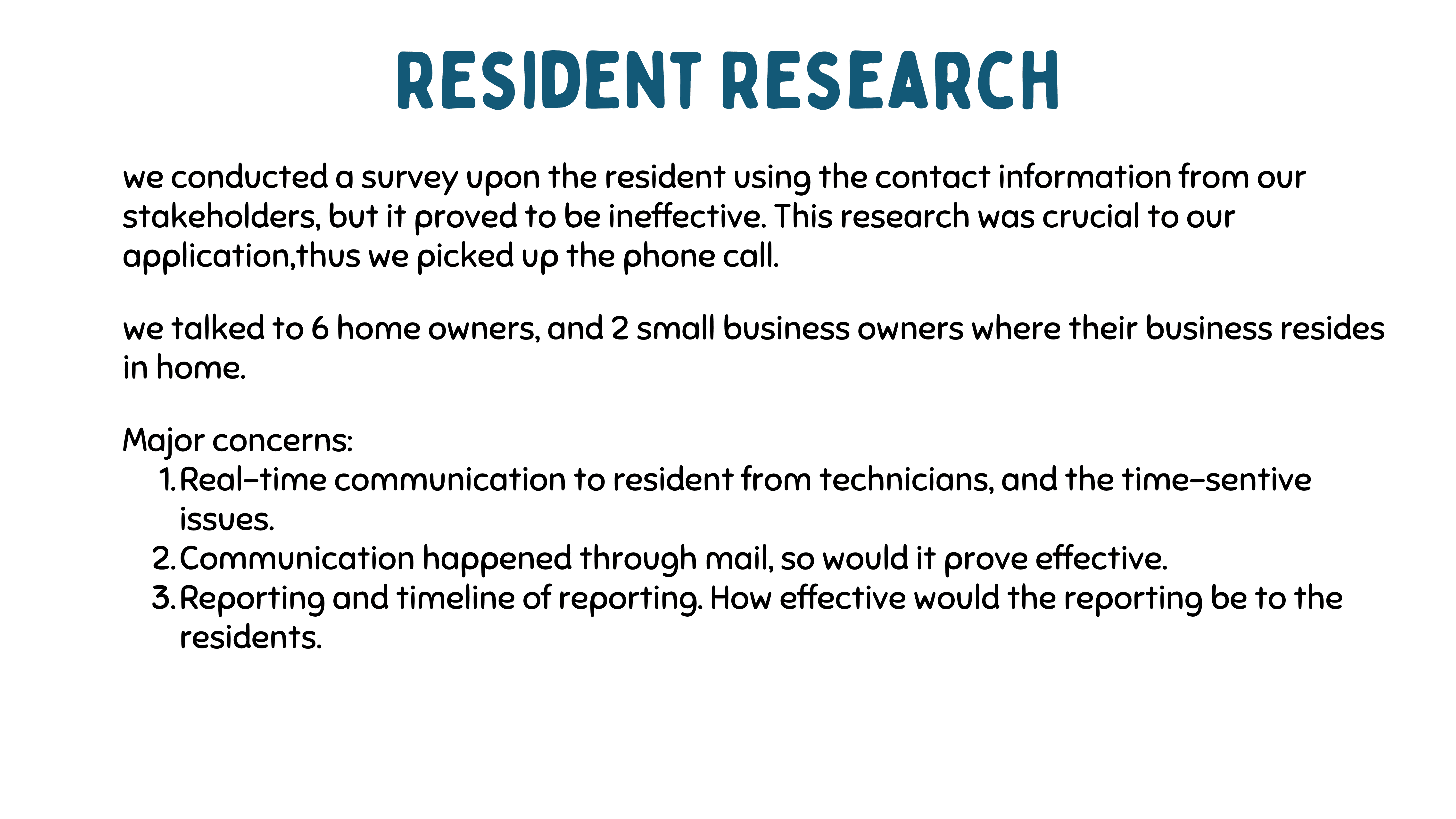
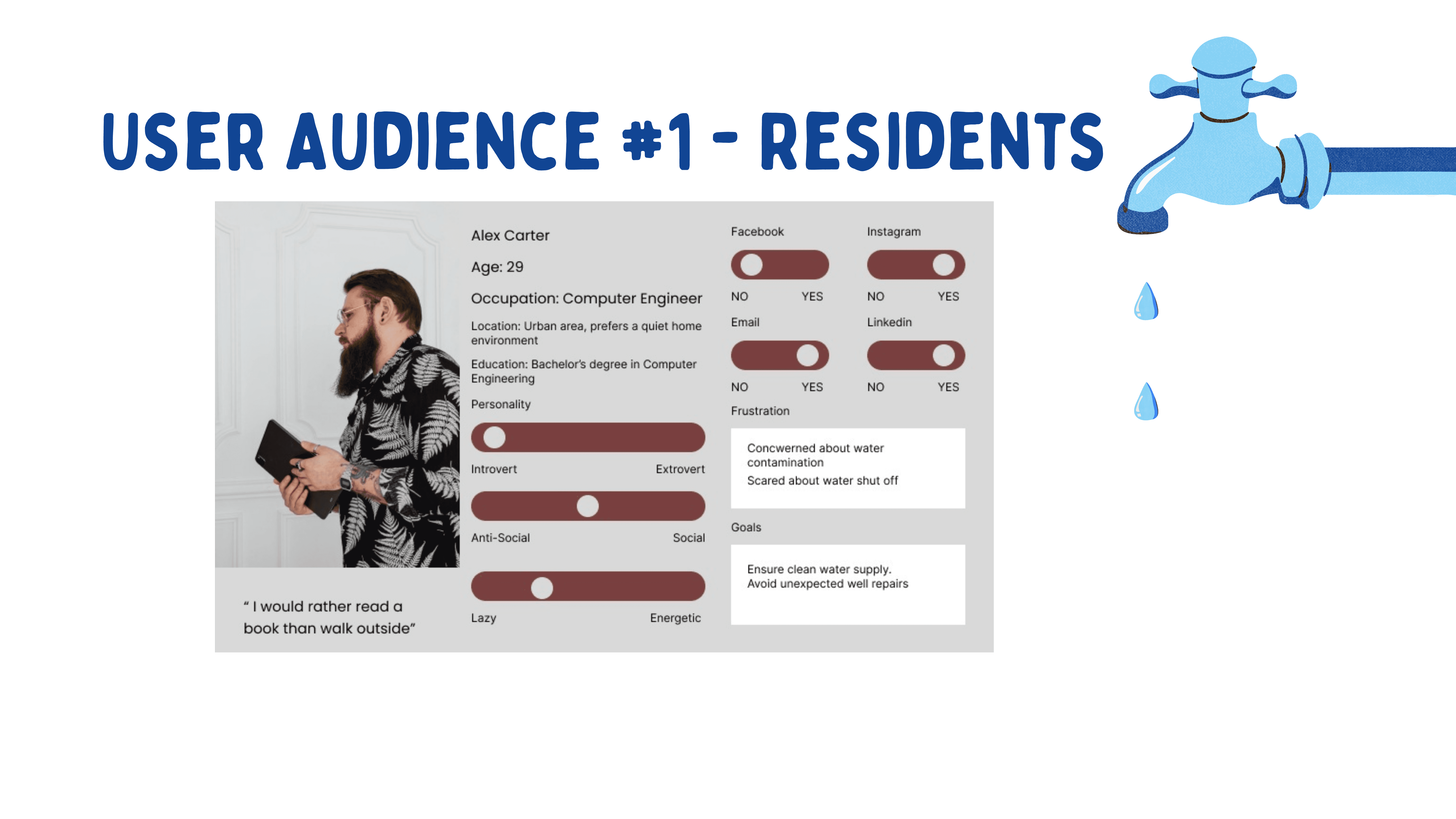
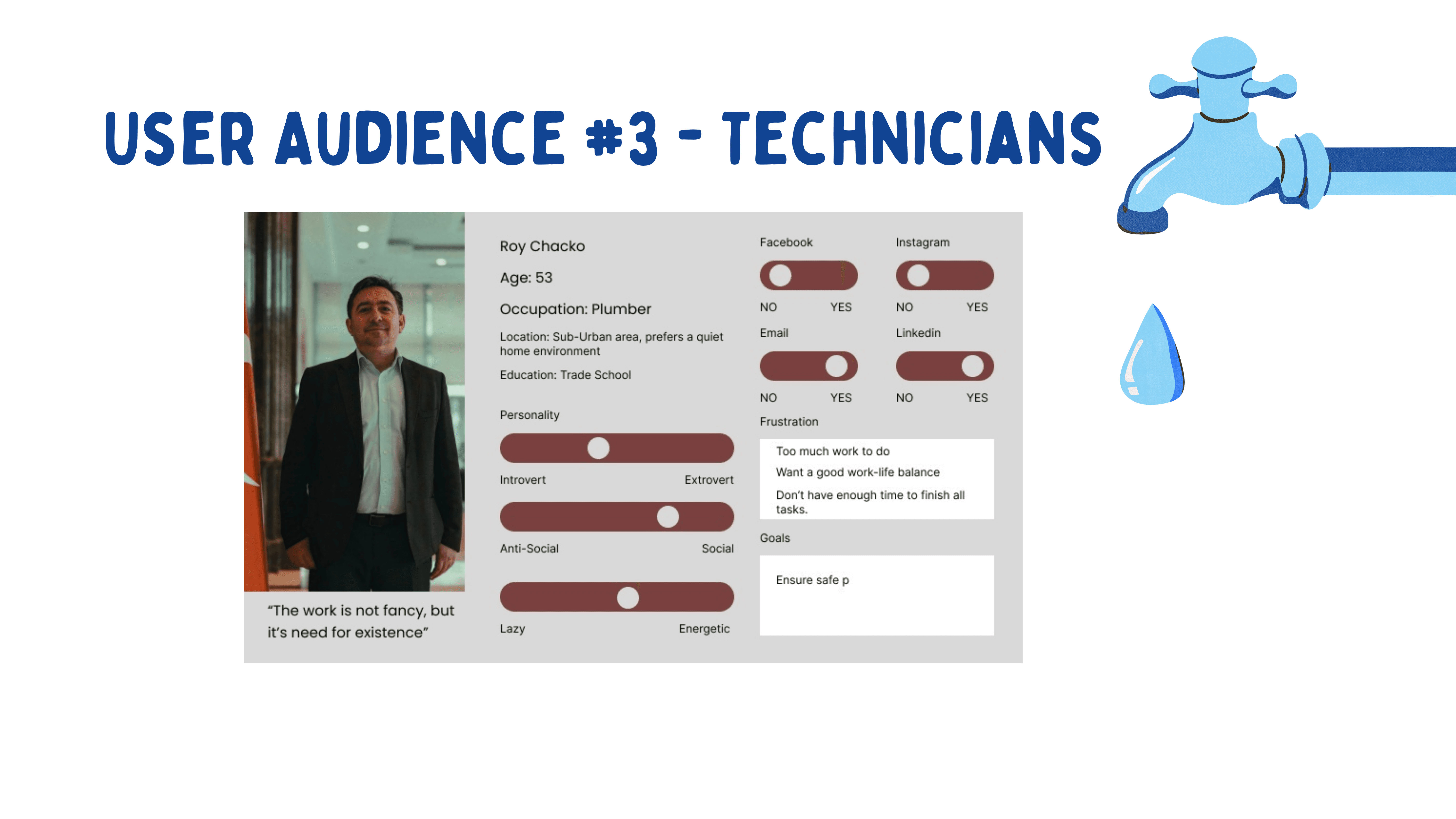
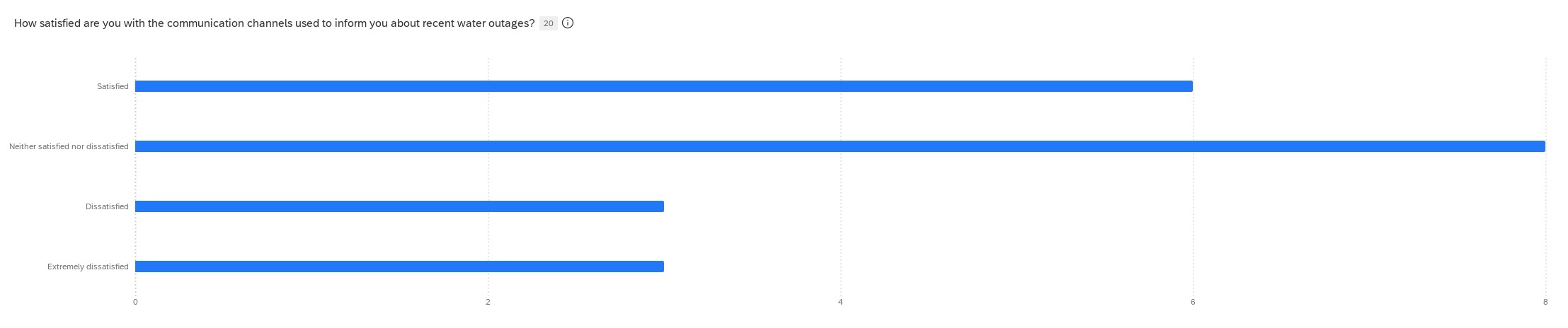
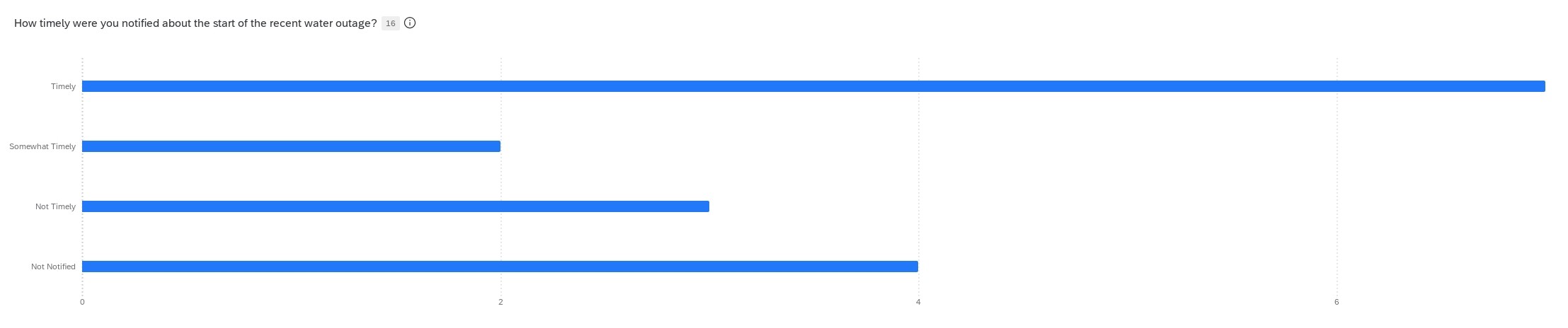
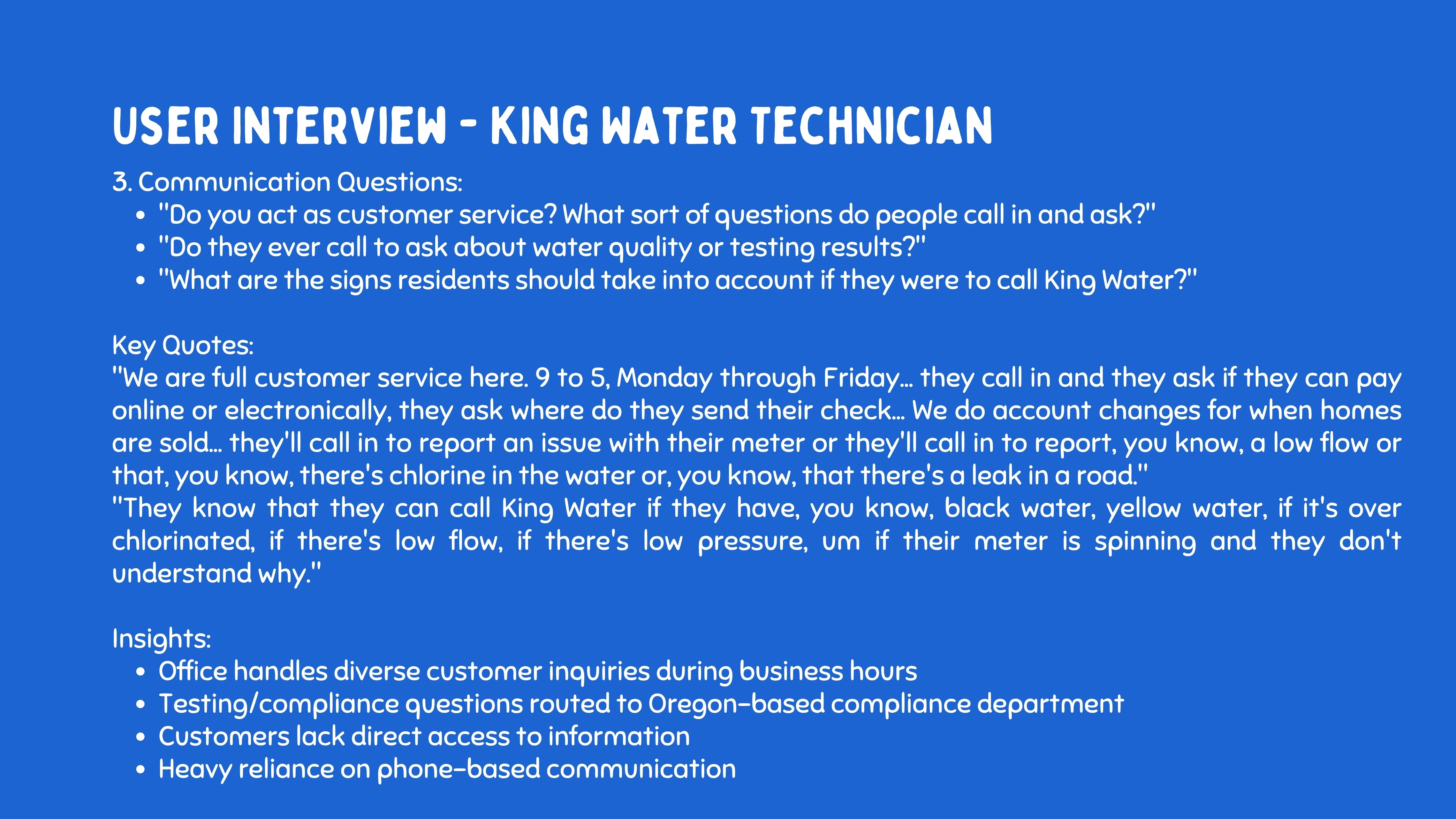
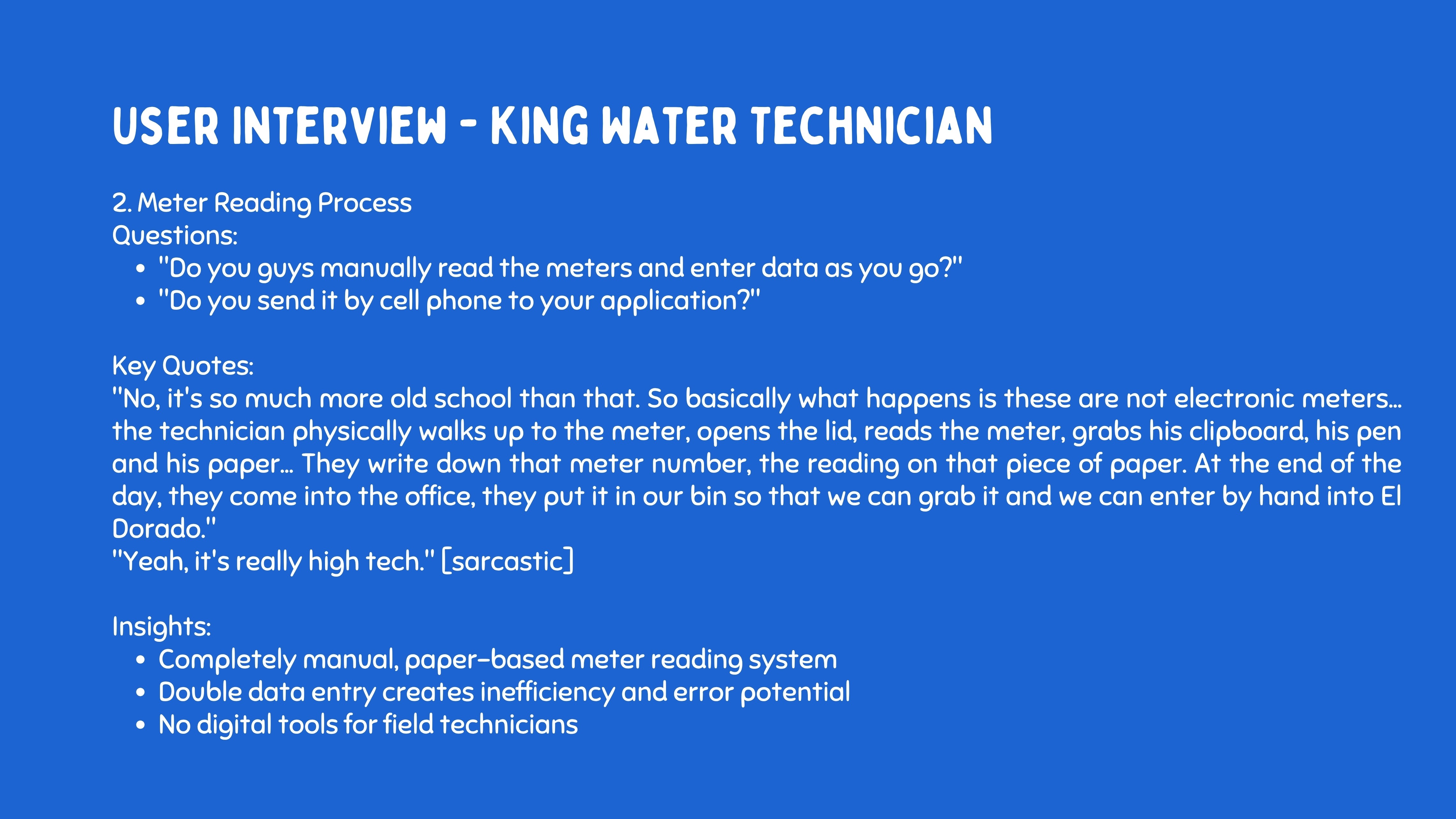
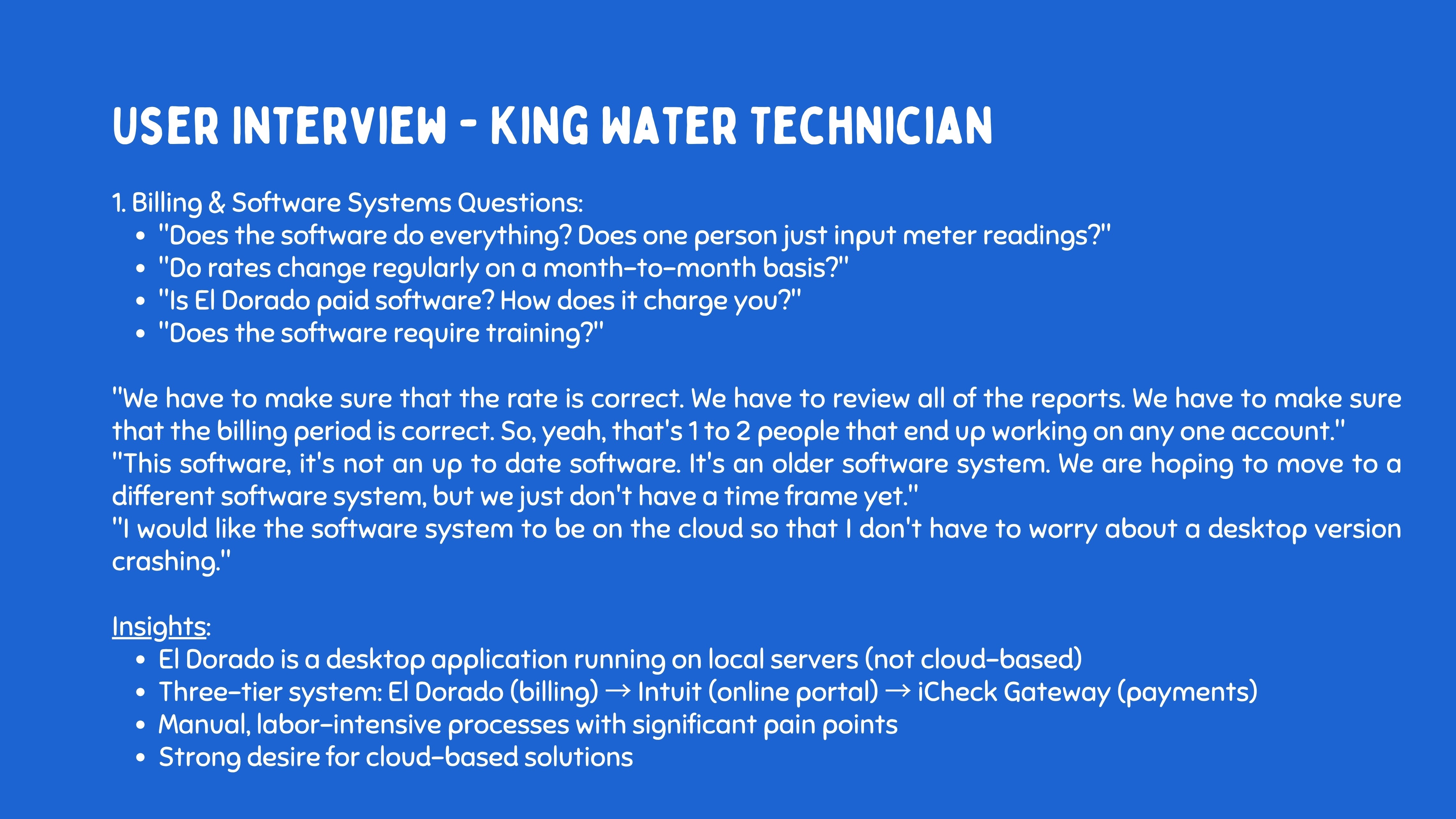
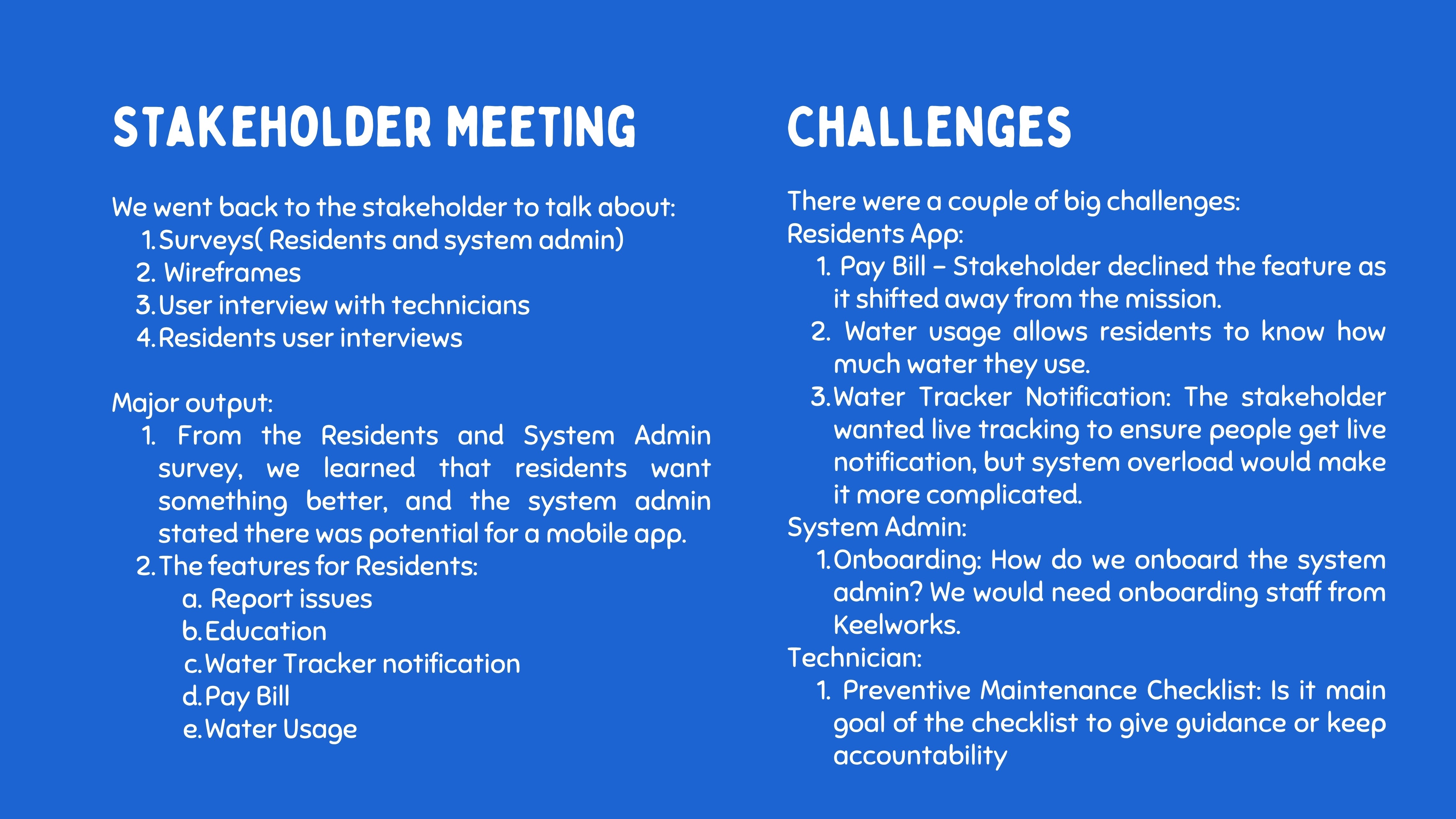
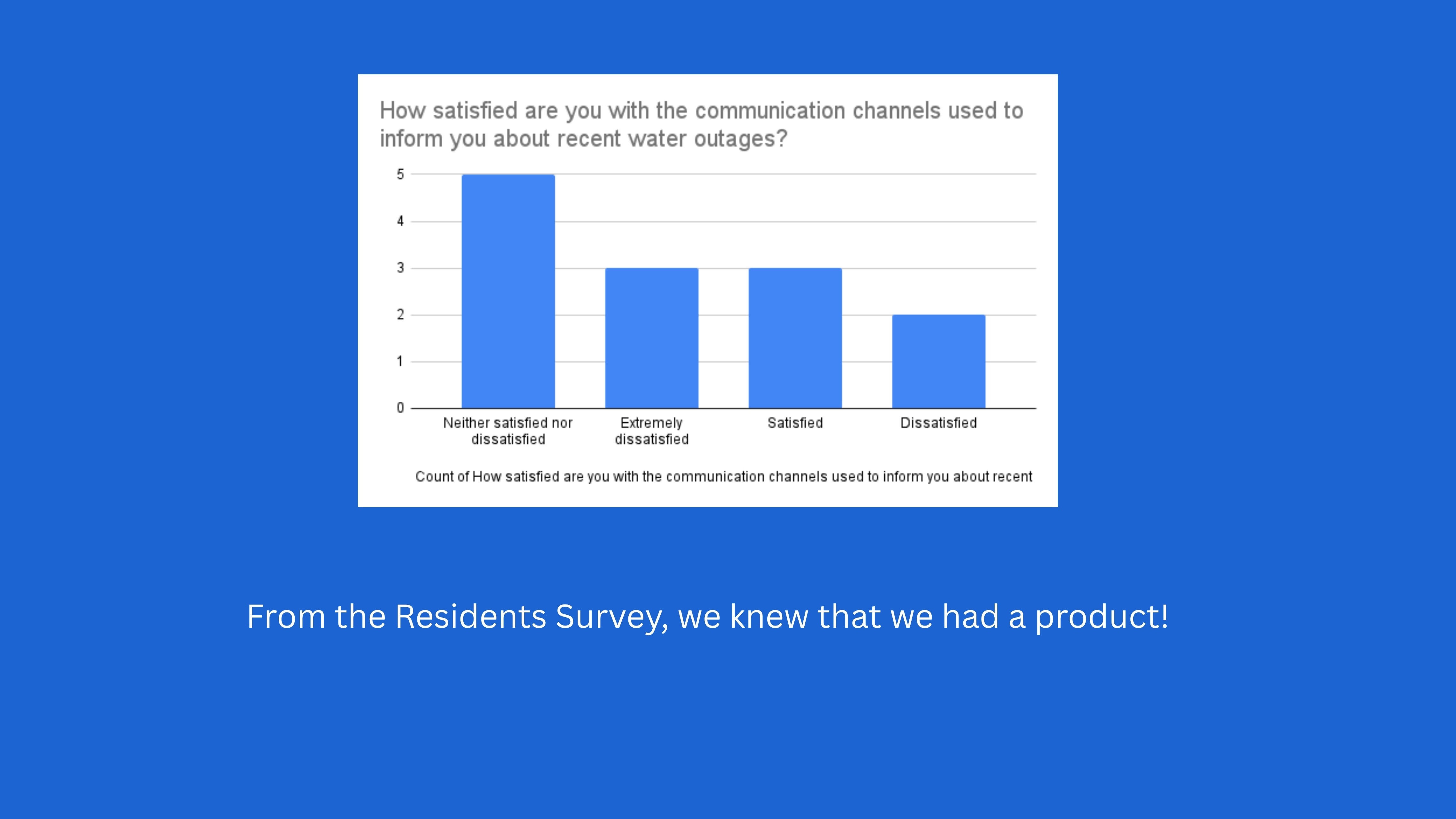
But it’s not just about water scarcity; residents and technicians often struggle to stay informed and connected about well conditions.
In this case study, I’ll show how UX research helped bridge that communication gap and empowered the community.
As the Product owner on this project, I was tasked with a simple-sounding yet deeply complex goal:
“Design a digital solution that helps residents, technicians, and system administrators stay connected and informed about their water system.”
Goal
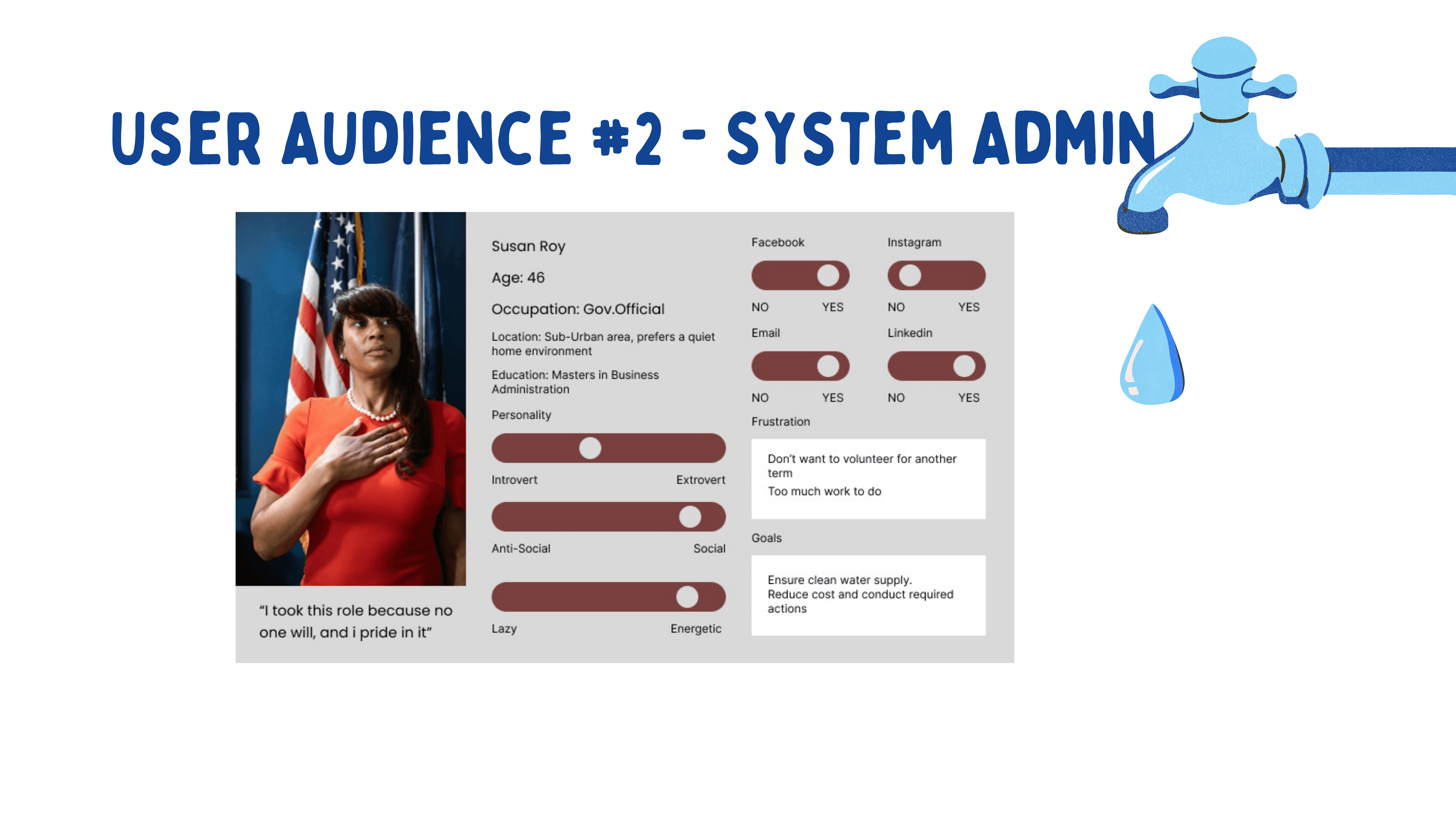
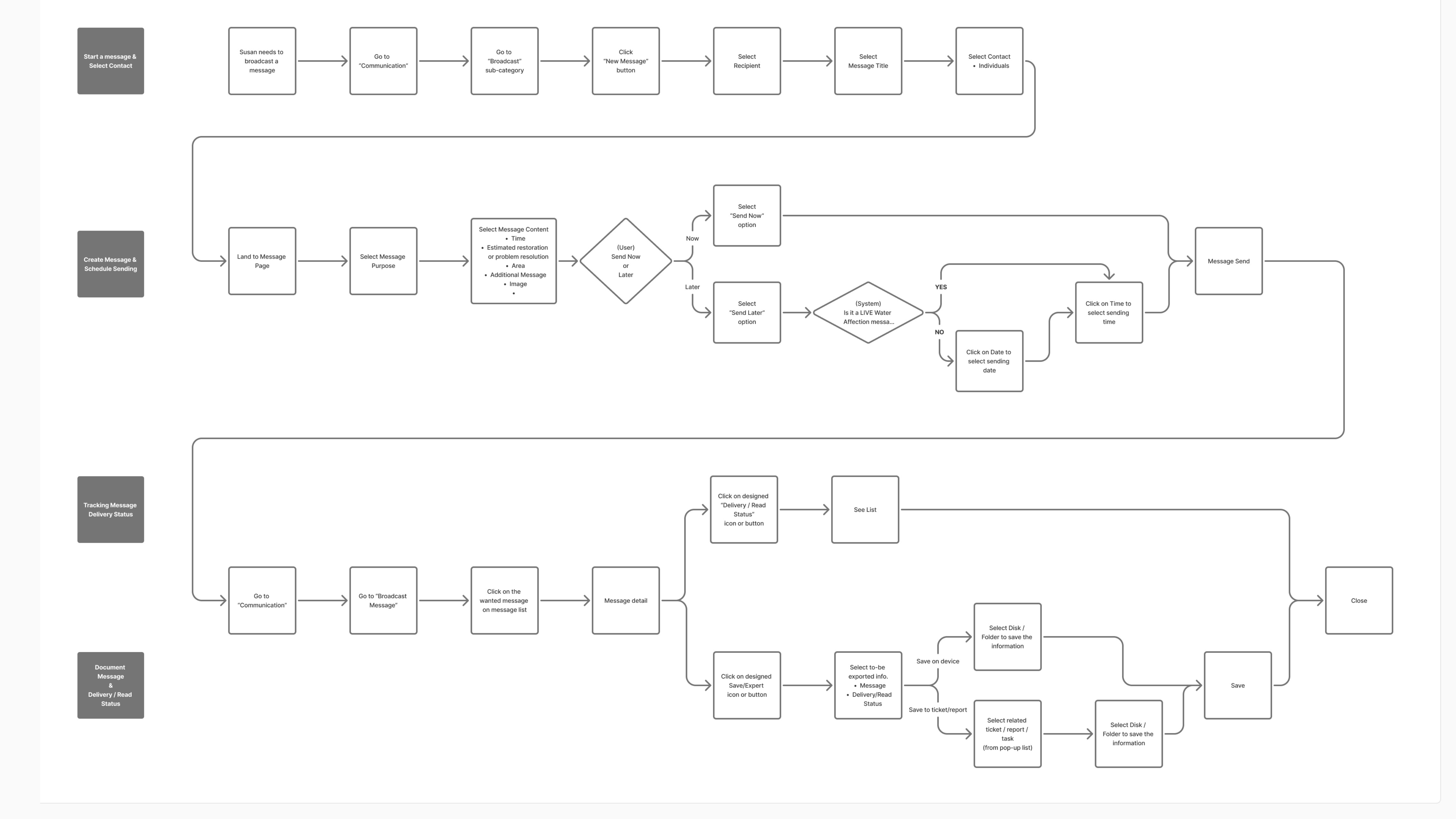
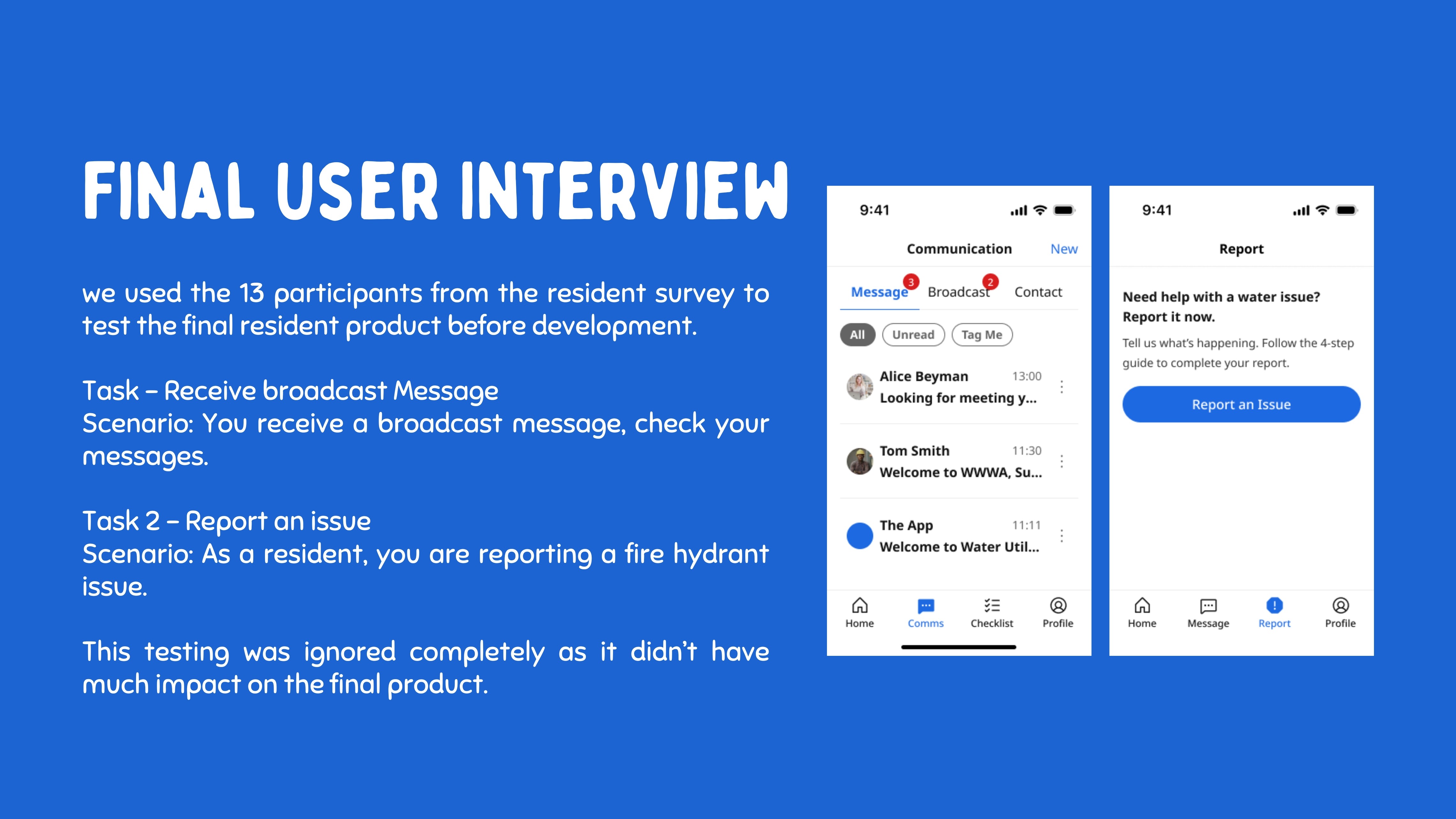
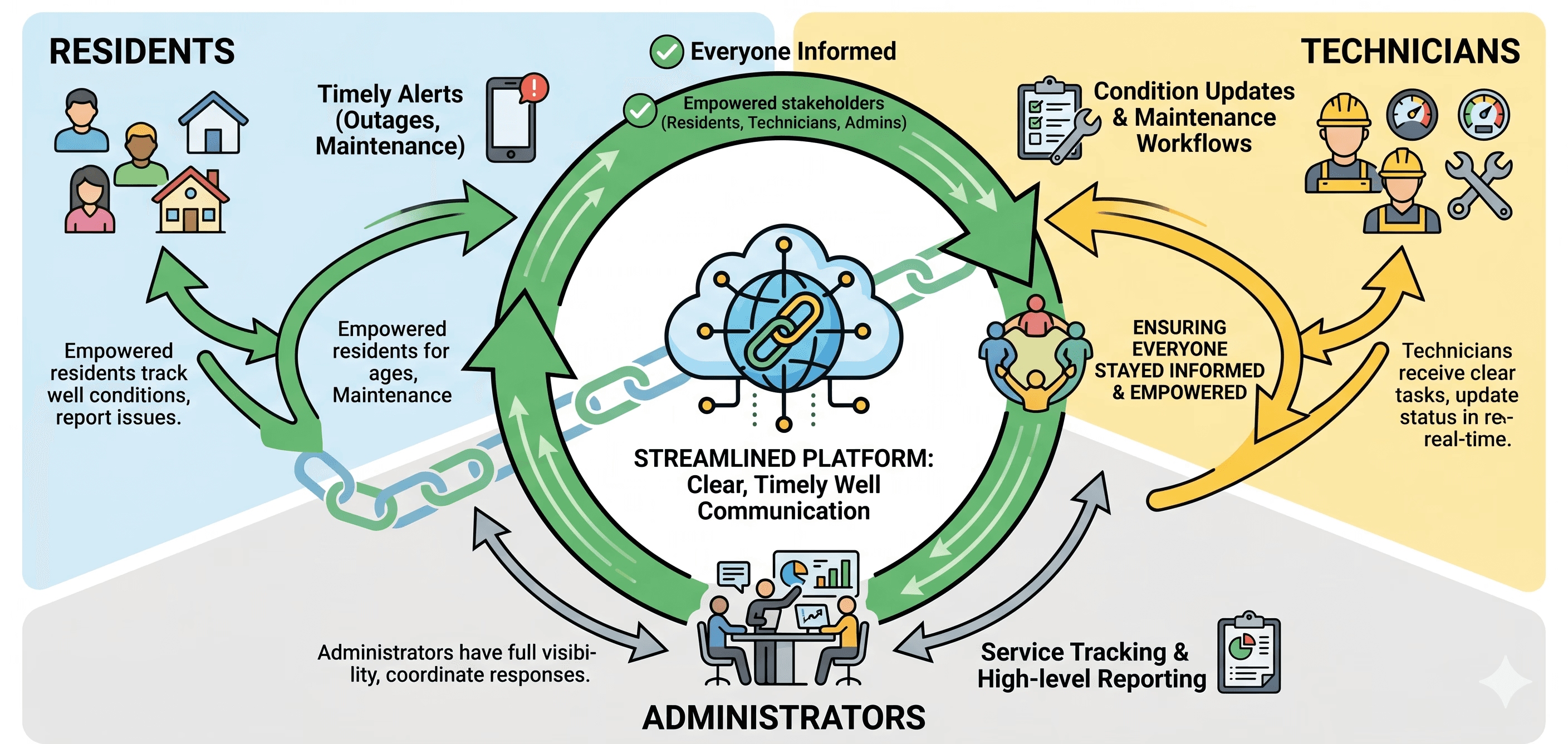
My goal was to design a user-centered solution that would improve communication among residents, technicians, and administrators—ensuring everyone stayed informed and empowered.

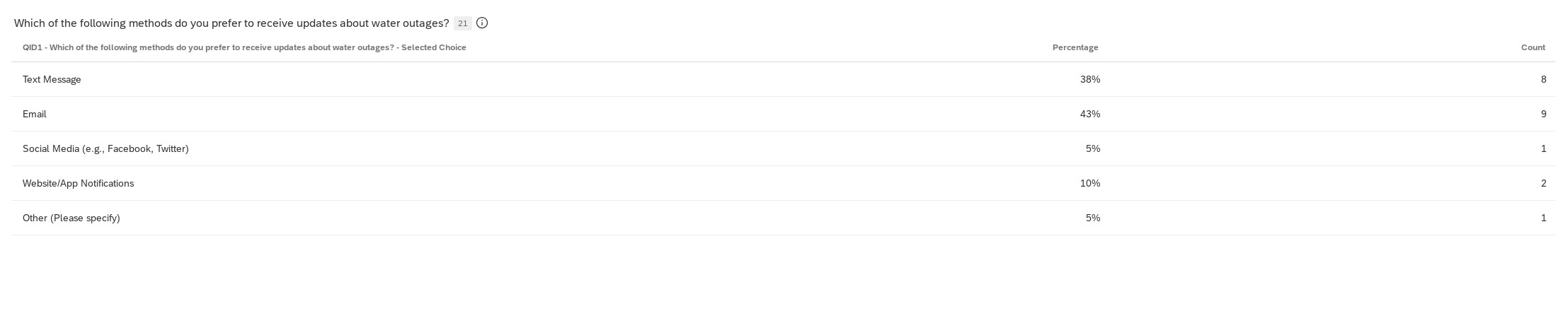
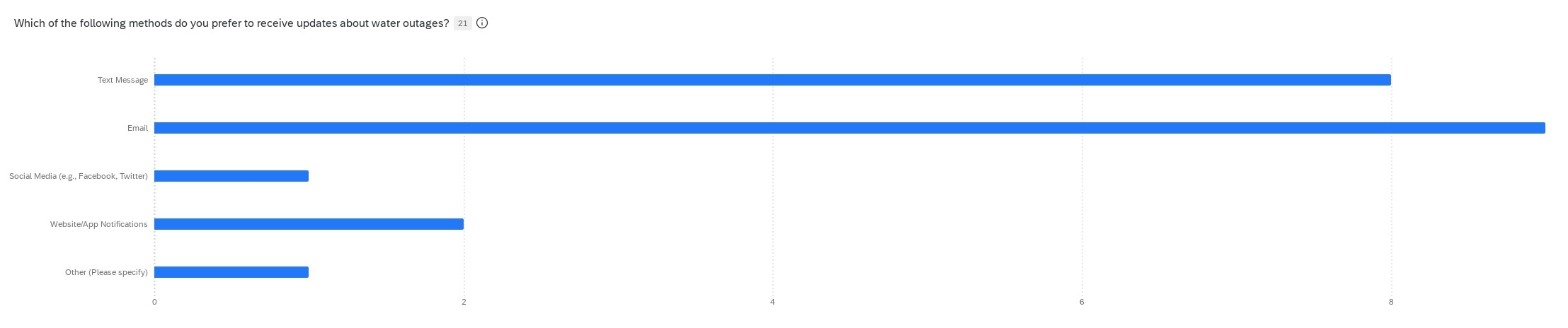
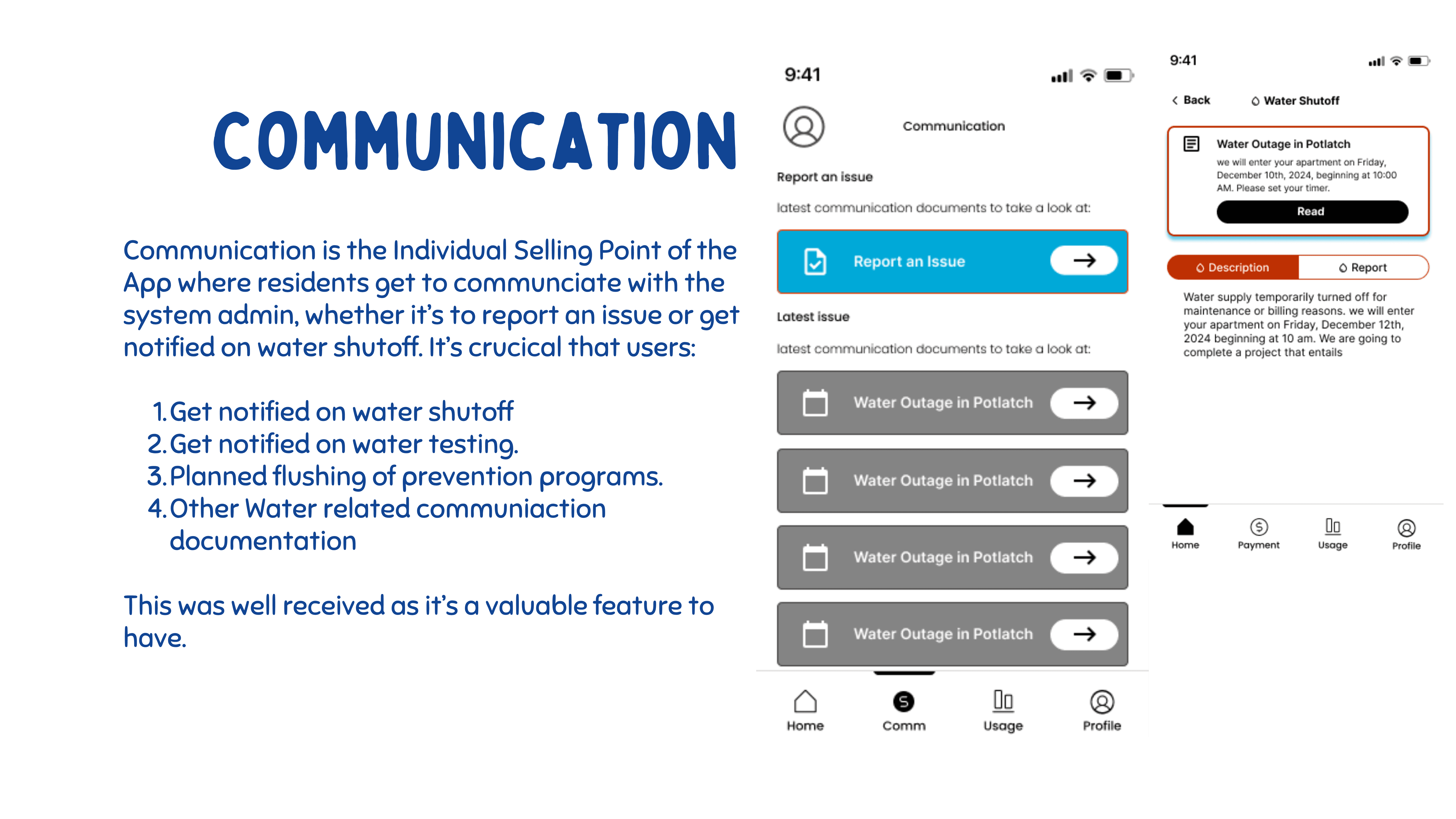
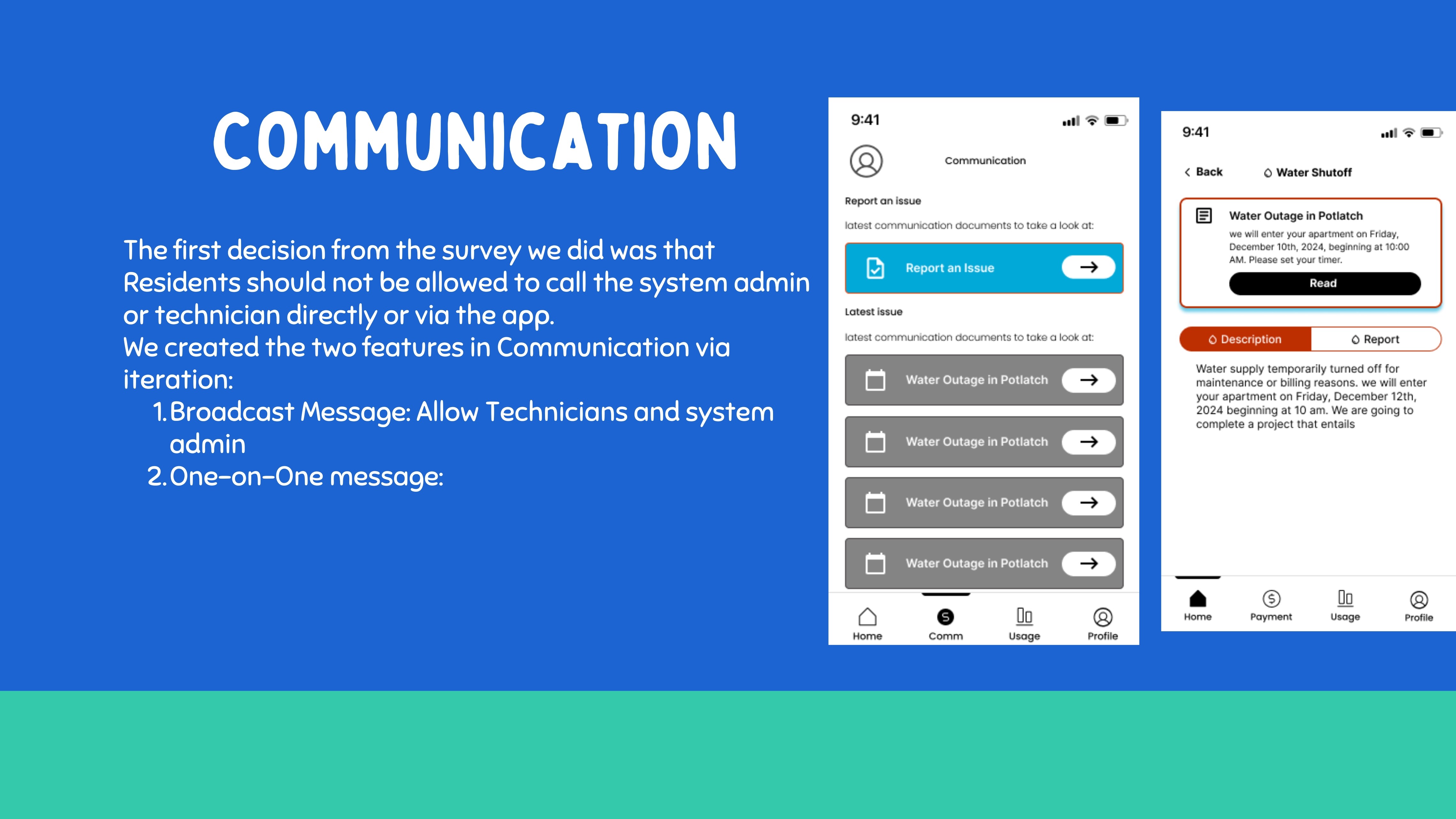
Sudden loss of water without warning

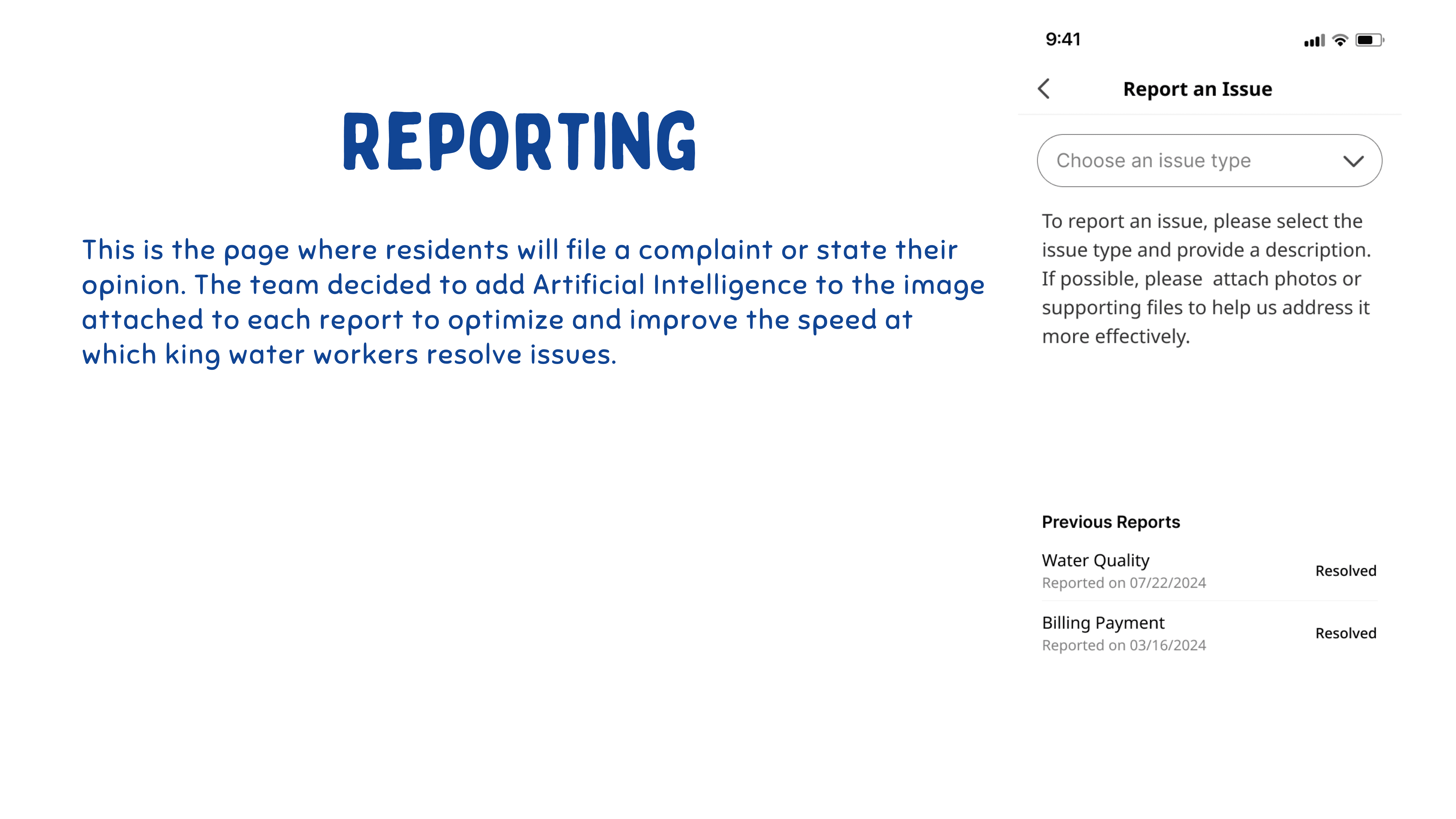
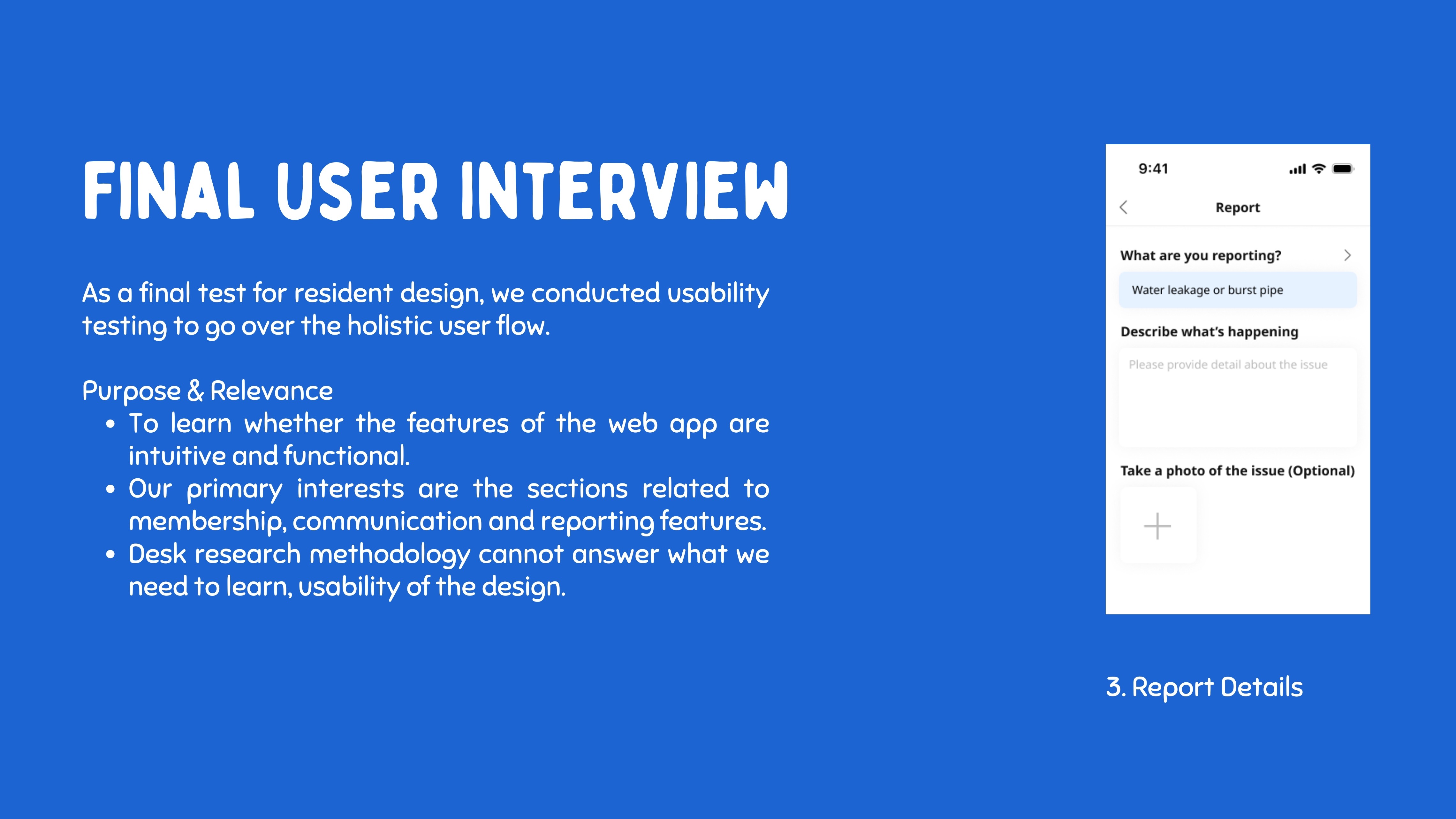
Report Issues
Accountability from Technicians
Sudden Loss of water without warning
Resident will suddenly lose water, because there are primary two reasons:
Residents will lose water due to monthly inspection
Sudden water line cut due to multiple issues( broken pipes, etc…)
To resolve the issue, we have to understand
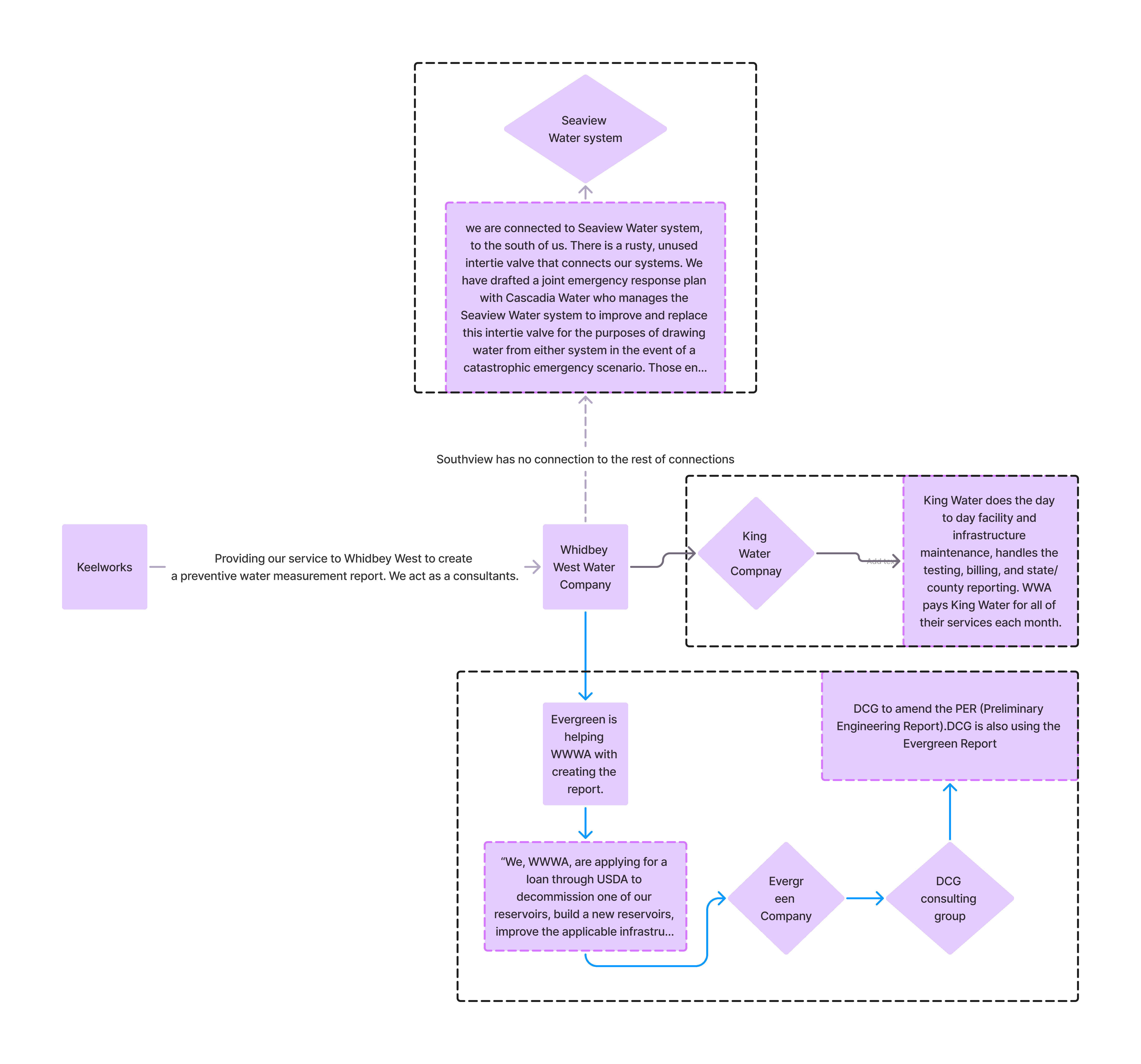
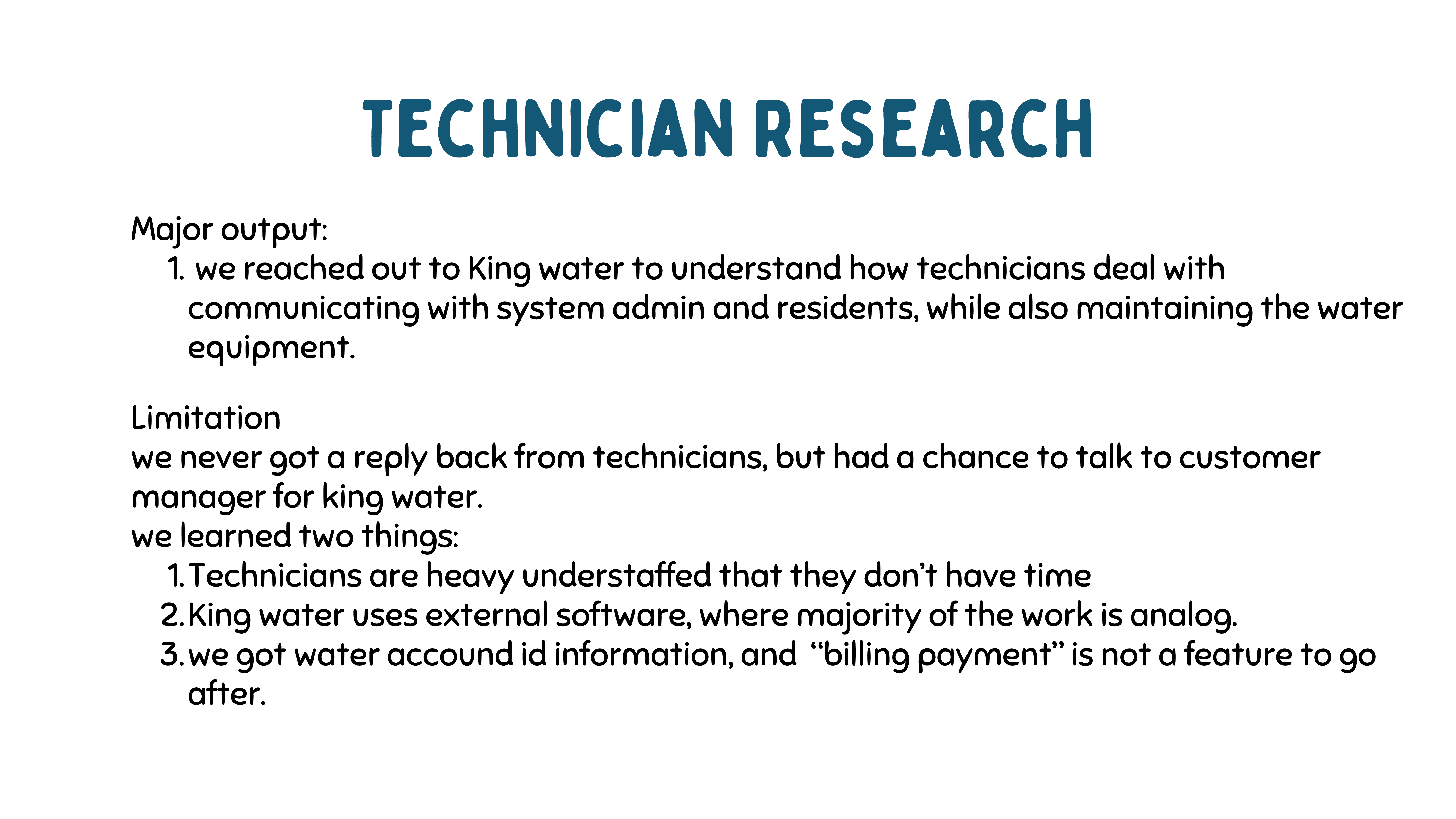
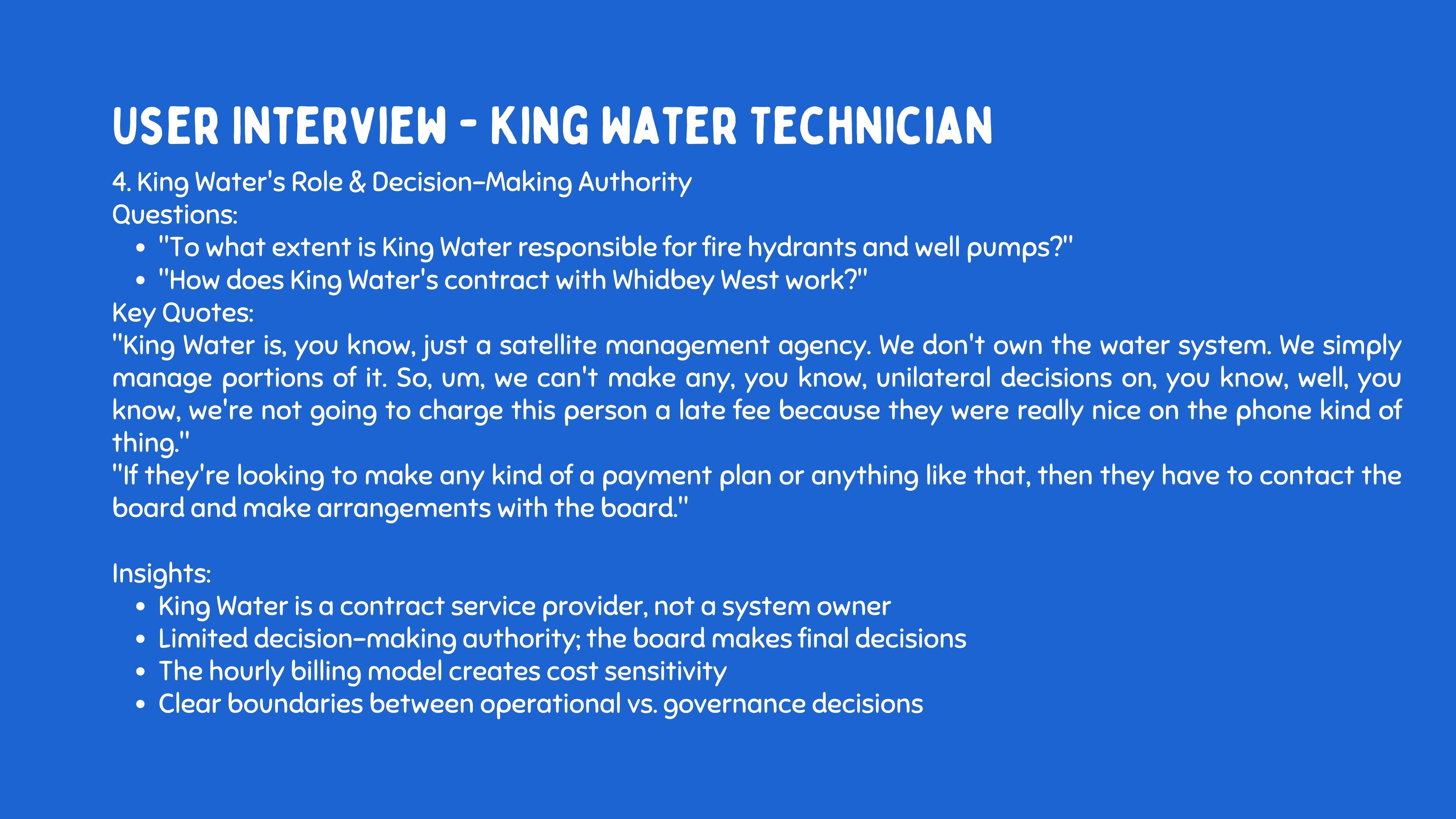
how King water( water maintenance provider) works with the West Whidbey water board.
The challenges that we will face is:
How keelworks works in the midst to resolve this issue?
What resources does keelworks team have?