Pre-submission
How applicants learn about grants, understand eligibility, read instructions, and get help before writing.
Mathews T Varghese
Connecticut State Grant Research Project
A UX research case study on how nonprofits experience the State of Connecticut grant application process, from discovering the opportunity to waiting for an award decision.
Research Framing
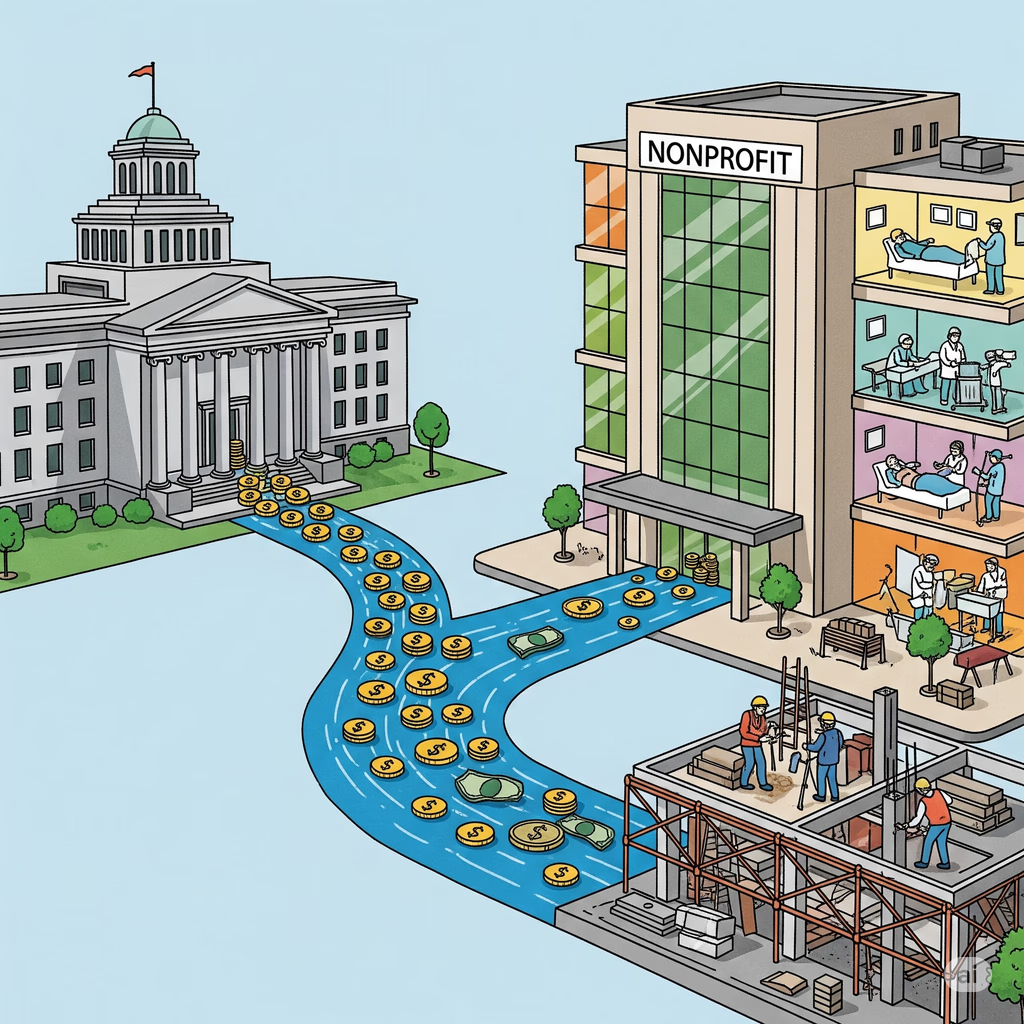
The NPG is a vital funding source for nonprofit improvements. Organizations had applied across seven rounds for capital construction, capital improvement, vehicles, technology improvement, and healthcare assets. My goal was to understand applicant and grantee pain points across the application process, then identify where the experience needed better support.
How applicants learn about grants, understand eligibility, read instructions, and get help before writing.
How applicants answer questions, explain impact, manage word limits, complete budgets, and submit.
How applicants track status, wait for award letters, coordinate contractors, and keep submitted records.
Research Method
I structured the research around the moments where nonprofits actually make decisions: how they discover grants, how they prepare the application, how they submit, and what happens after submission.
How did applicants learn about the grant? What prior templates, mentorship, training, or institutional knowledge helped them know how to apply?
Who actually owned the writing? How often did they apply? What steps did they take when the requirements, budget tools, or questions became unclear?
How did applicants manage the grant after receiving an award letter, and what advice would they give someone applying for the first time?
Research Findings
Interviewees described learning about NPG availability through sources other than OPM, including the Connecticut Nonprofit Alliance, BizNet, Google Alerts, trade associations, and word of mouth.
Applicants wanted clearer instructions, documentation, webinars, staff access, and FAQ support that stayed available while they were actively writing.
Applicants struggled to explain long-term value, program impact, and nuanced answers inside strict limits, especially when questions felt redundant or unclear.
Some nonprofits did not have grant writers, analysts, or business-writing staff, but the application expected quantified long-term impact and financial reasoning.
Applicants could not clearly see status, award timing, or next-round movement without checking websites, emailing staff, or waiting for surprise updates.
"Through our trade associations... the Connecticut Alliance of Nonprofits."
"The application just needs to be clearer."
"Be transparent about the due dates."
Research Obstacles
Many issues sounded like website or application problems at first. The research had to uncover which pain points came from the portal, which came from government communication, and which came from nonprofit staffing realities.
The study needed nonprofit representatives who had actually applied for, received, or benefited from a Connecticut government grant, which narrowed the participant pool.
Small and well-resourced nonprofits followed the same process, but they had very different access to grant writers, CFOs, statistical skills, and administrative support.
Some pain points were procedural, some were emotional, and some depended on timing, staff turnover, or whether an applicant had applied in previous rounds.
The research had to separate portal/tool problems from communication, staffing, policy, documentation, and deadline problems.
The project was not just about fixing a page. The deeper issue was how applicants were informed, supported, and updated across the whole journey.
Recommendations
The research points to three areas for change: pre-submission transparency and education, submission clarity and flexible answer support, and post-submission tracking or clear award-letter dates.
Create email subscription alerts when applications go live, publish clearer timelines, and provide guidance before applicants start writing.
Explain question intent, improve instructions, reconsider rigid word limits, and make budget tools safer with previews and validation.
Add status tracking or clear award-letter dates, preserve submitted records, and provide more transparent communication after submission.
The final story is about research turning a confusing government process into a clearer service journey: applicants need timely alerts, clearer education, better submission support, and transparent follow-through.